Operational Yard Protocol 2026

BOAT STORAGE. PLANNED FOR EVERY SEASON.

Technical coordination for European marine facilities. We map hardstand allocations, insulated shed dimensions, crane slots, trailer lanes, and seasonal hull protection schedules.

Zone Criteria LOA, Beam & Keel Draft
Access Profiles Indoor Shed / Open Yard
Monitoring Moisture & Cradle Tracing
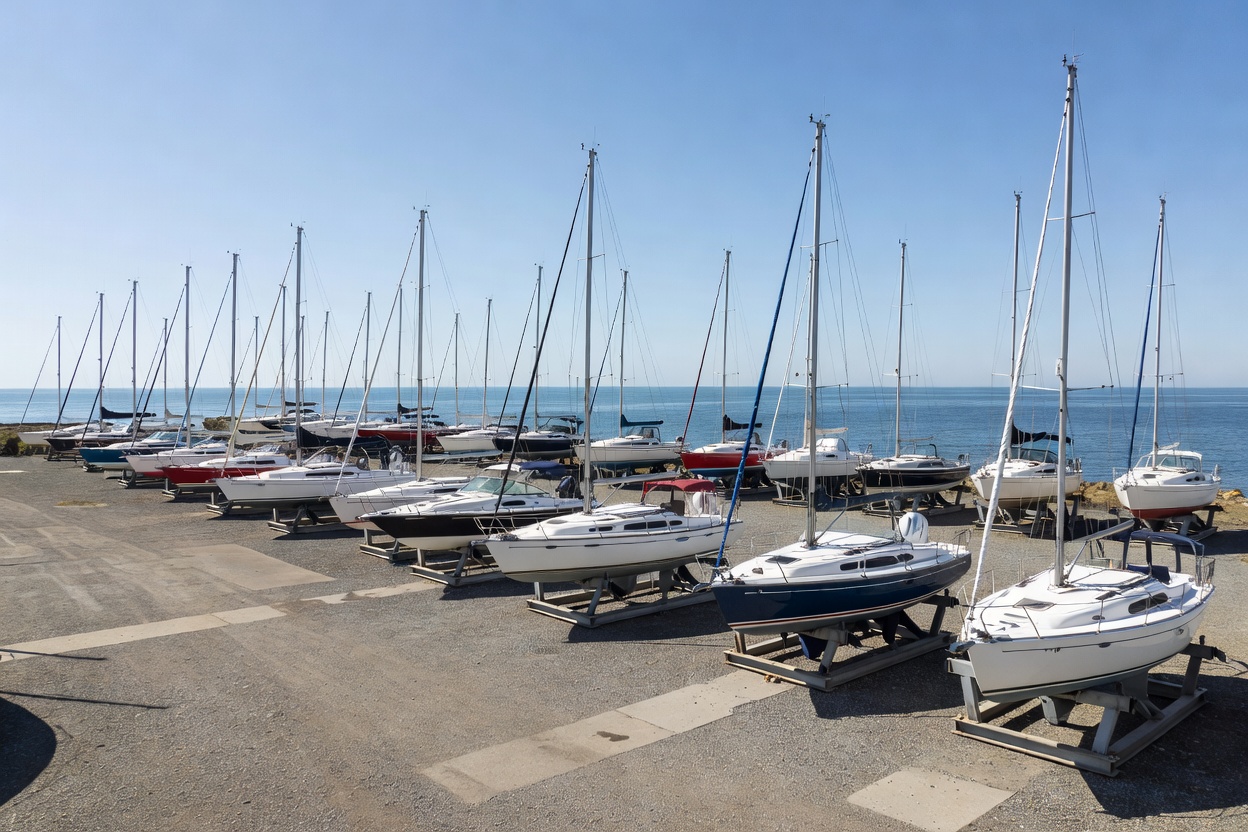
Organized coastal boat storage hardstand with sailboats and powerboats positioned on steel storage cradles

THE BOAT STORAGE CYCLE

Five controlled phases govern vessel safety from end-of-season haul-out to spring re-immersion.

01

PLAN

Calculate length overall, beam clearance, mast-up height, draft, and cradle pressure tolerances before compound entry.

02

STORE

Position hulls on certified adjustable steel props or padded yard trailers with leveled load distribution.

03

CHECK

Perform scheduled checks on lashing tension, hull support pads, cockpit scupper drainage, and interior relative humidity.

04

PREPARE

Uncover hulls, run raw-water cooling flush tests, inspect through-hull sea cocks, and recharge house battery banks.

05

RETRIEVE

Coordinate hydraulic transporter routing, slipway crane slots, and harbor master dock bookings for direct relaunch.

FIVE SPECIALIZED STORAGE DISCIPLINES

Operational frameworks built to preserve structural integrity, prevent moisture degradation, and optimize yard traffic.

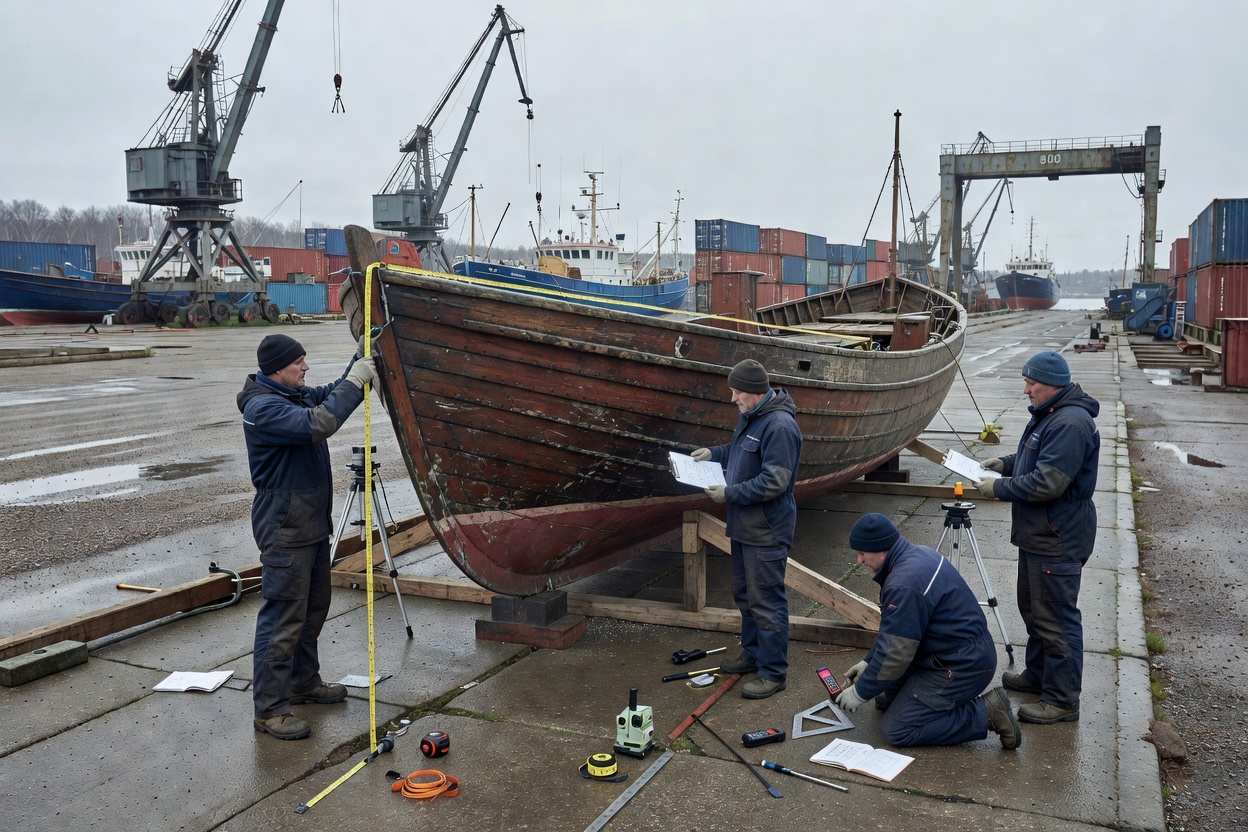
Boat dimensions measurement and compound space calculation in a Baltic marine yard
Discipline 01 STG-PLAN

Boat Storage Planning

Hull geometry dictates storage configuration. Beam dimensions determine lane spacing, keel type decides cradle design, and total displacement guides pad placement on unpaved or tarmac surfaces.

  • Three-dimensional envelope surveys including pulpit and swim platform
  • Mast-up vs un-stepped clearance calculations
  • Displacement balancing on multi-point blocking systems
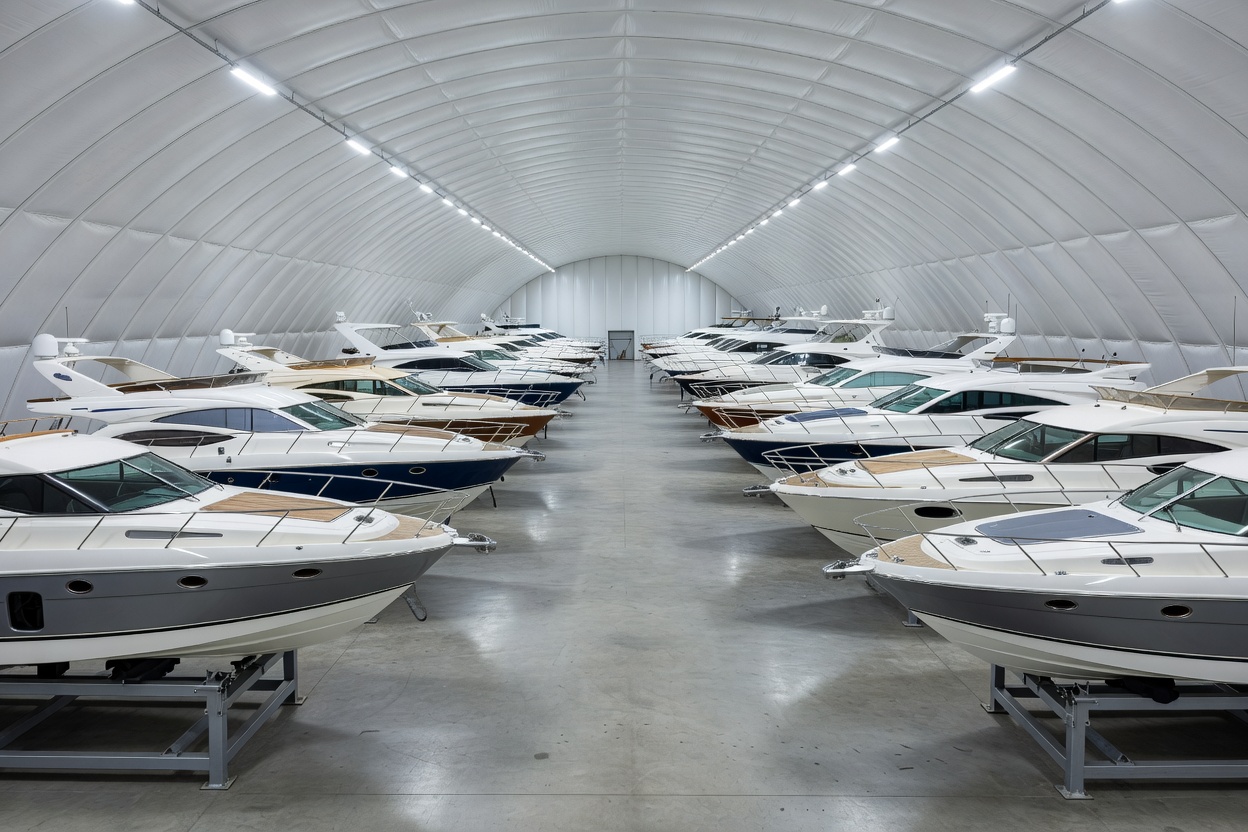
Insulated boat storage hall housing luxury cruisers on rigid stands
Discipline 02 IN-OUT-LOC

Indoor & Outdoor Boat Storage

Indoor insulated sheds isolate hulls from UV degradation, driving rain, and freeze-thaw cycles. Outdoor hardstands provide ventilated open parking with heavy-duty ground anchoring and perimeter wind barriers.

  • Controlled relative humidity vs ventilated outdoor tarpaulin systems
  • Access profiles for owner winter maintenance periods
  • Perimeter perimeter security and fire prevention spacing
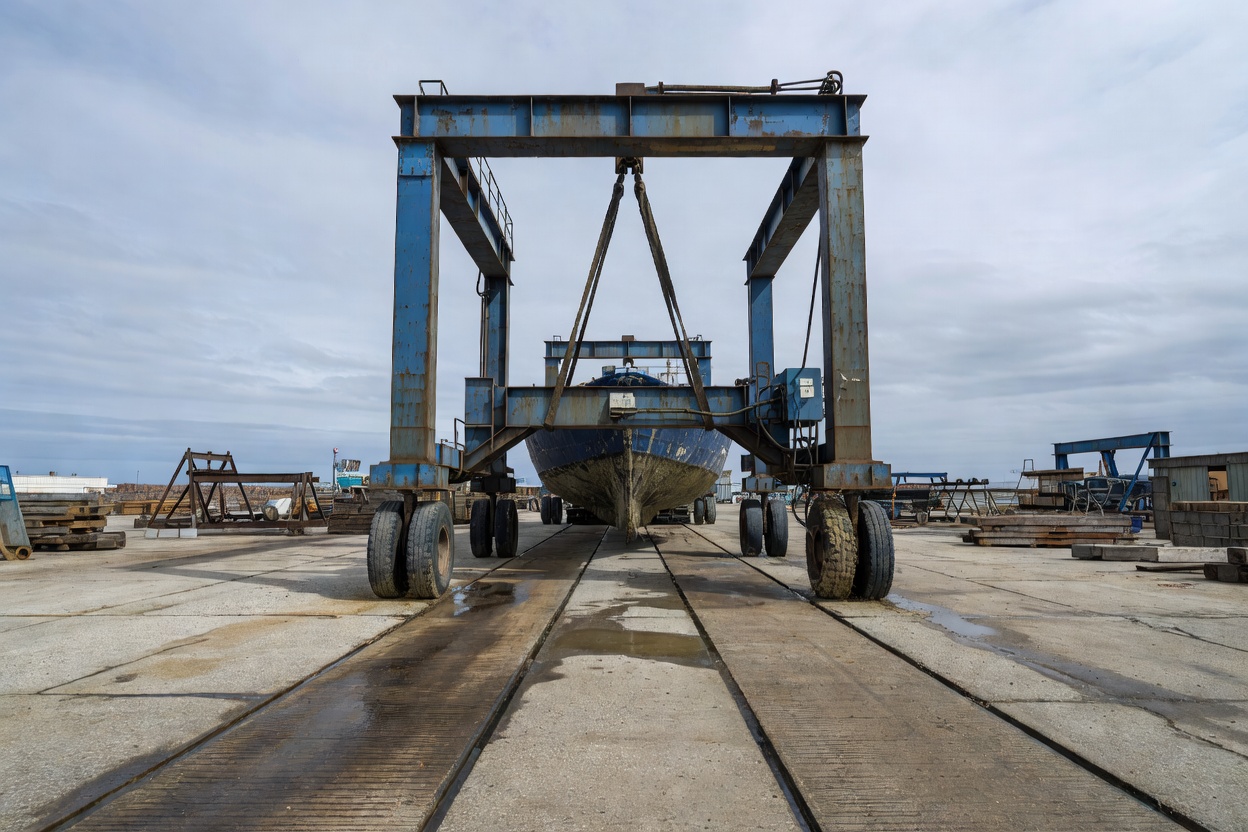
Heavy duty marine travelift moving along concrete runways in a maintenance yard
Discipline 03 YRD-PREP

Boat Yard Preparation

Yard integrity prevents hull settlement. We outline load-bearing asphalt assessments, sub-base drainage lines, crane swing perimeters, and clear turning corridors for 40-tonne hydraulic boat trailers.

  • Ground subsidence checks under keel points
  • Turning radius clearing for multi-axle transporters
  • Power supply and wash-down containment management
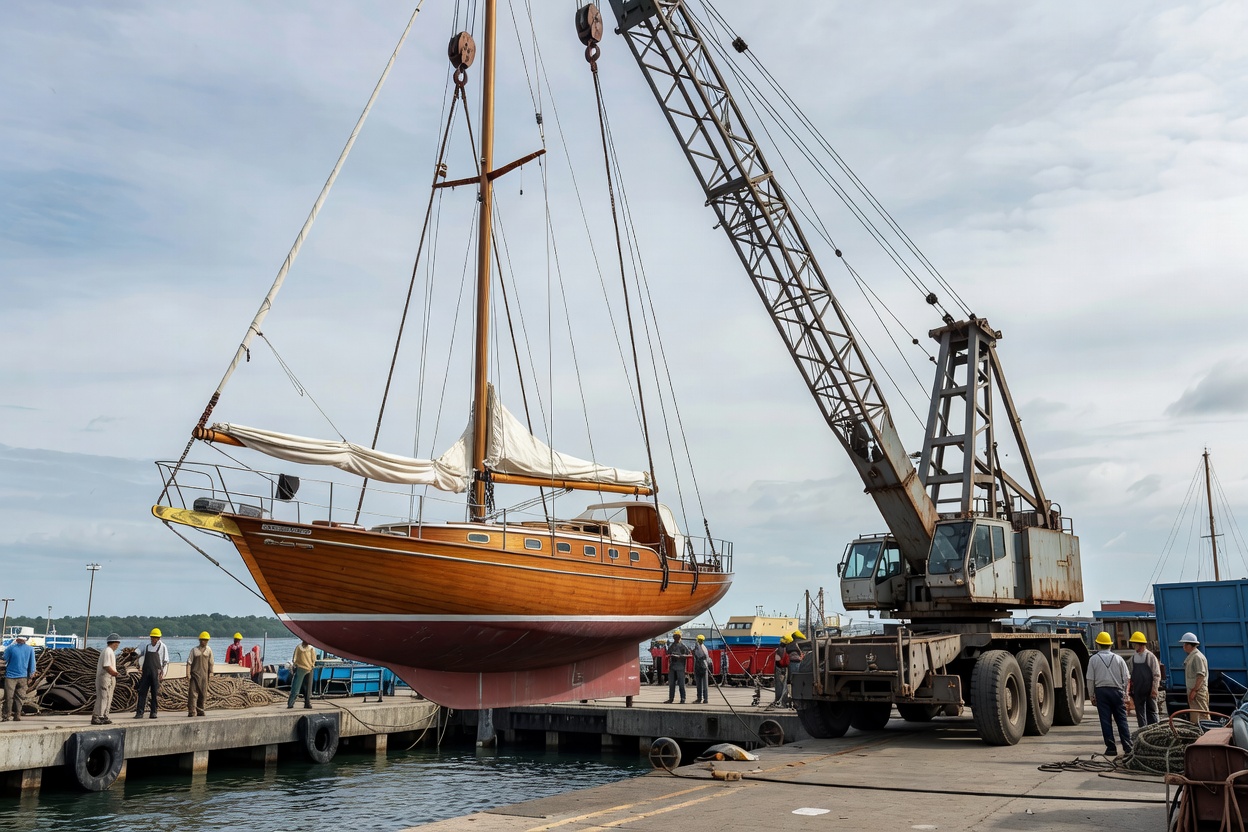
Sailboat suspended in slings of a mobile marine crane ready for water immersion
Discipline 04 LCH-RTRV

Boat Launch & Retrieval

Coordinating haul-out and relaunch requires strict time-slotting. We align crane sling positions with internal bulkhead structures, schedule slipway access, and manage tender transfers without yard gridlock.

  • Sling placement markings against propeller shafts and transducers
  • Slipway friction checks and tidal window coordination
  • Pre-drop sea-cock leak verification while in the hoist
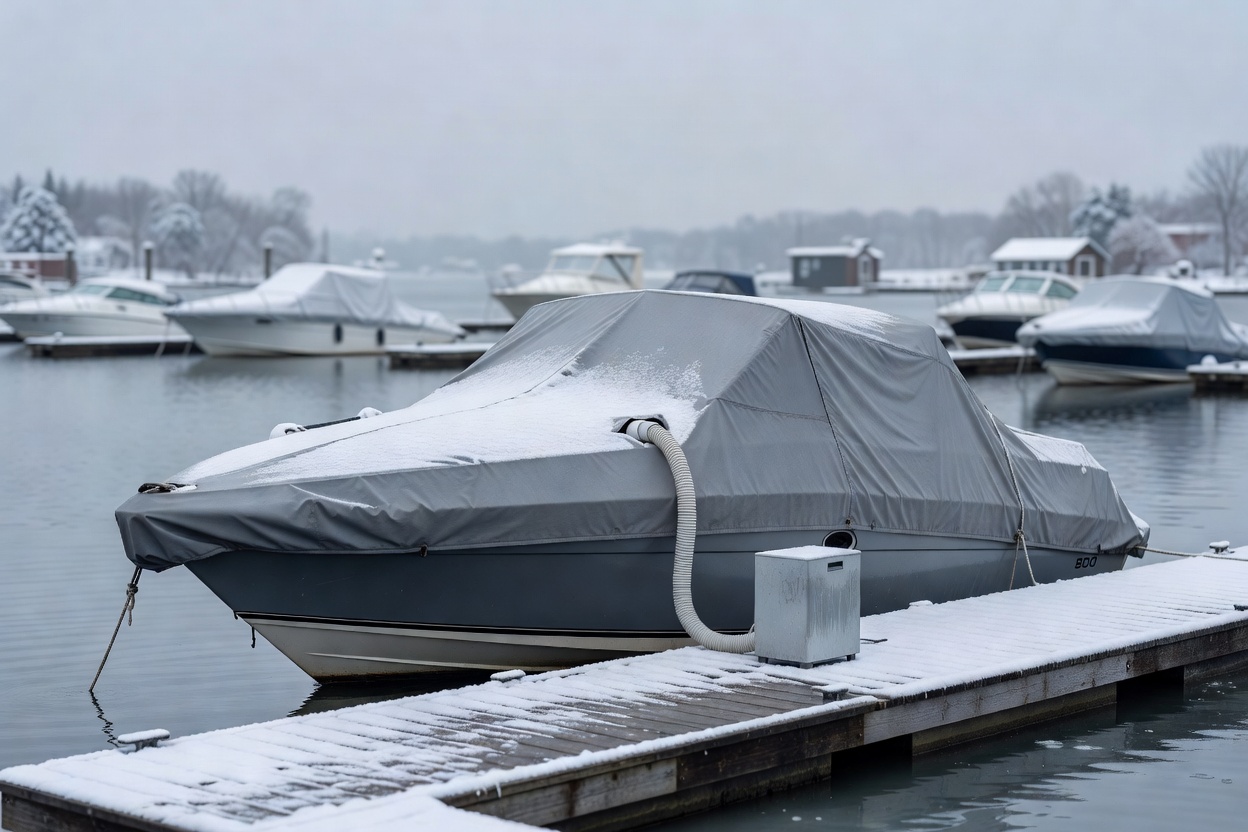
Winterized motorboat fitted with fitted breathable cover and dehumidifier hose
Discipline 05 CARE-PROT

Seasonal Boat Storage Care

Long-term static storage challenges mechanical systems. Protocols address engine raw-water block winterization, battery charge balancing, deck tent ventilation, and periodic mold-inhibiting airflow routines.

  • Antifreeze density verification for inboard cooling loops
  • Battery trickle float monitoring during cold snaps
  • Periodic support screw adjustments and cover tie-down retention